




Prost! German Beer in the Quad Cities
The Quad Cities region has deep roots with Germany and its infamous brewing traditions. In the current state of the craft beer industry heavily hopped IPA’s and fruited sour beers may keep the lights on, but QC brewers still keep the classic German beer styles alive on their tap lists.
I asked Wake Brewing’s Brewer/ Co-Owner, Justen Parris, about the importance of keeping traditional German brewing styles in their mix of beer releases.
“With all the creative beers coming out, it’s always good to remember how we got here from there. Big fruited sours of today were influenced by the classic Berliner Weisse. The hazy look and mouthfeel bears resemblance to the Hefeweizen (obviously not the hop rate). I mean they get crazy too, but usually out of necessity and with a subtle hand like the smoked out Rauchbier. Then there are the refreshing and complex nuances of German lagers through simplicity and time. Getting educated on their history is pretty rad, especially if you can recreate and drink it.”
Five Cities Brewing Brewer, Curt Johnson, echoed the message. “I think we have an excellent balance. Keeping with trends is an important factor to continue to gain traction and stay fresh, but traditional style beers are the heart of it. Really to reach all demographics, it’s important to have a solid variety.”
The following are a few German styles, their Beer Judge Certification Program descriptions, and where you can find them around the Quad Cities:
Kölsch
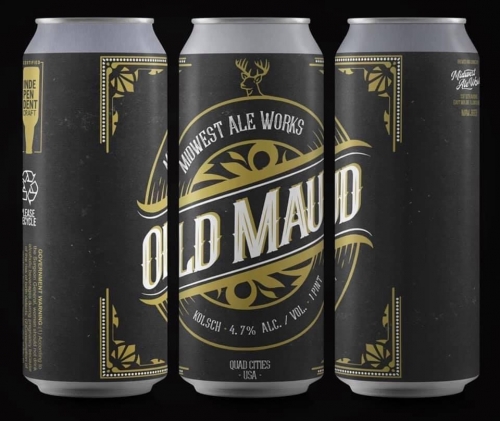
A clean, crisp, delicately-balanced beer usually with a very subtle fruit and hop character. Subdued maltiness throughout leads into a pleasantly well-attenuated and refreshing finish. This is actually known as a “hybrid” beer as it’s brewed with ale yeast but fermented and conditioned at lager temperatures. Kölsch is native to Cologne, Germany (Köln) and like Champagne, is an appellation protected by the Kölsch Konvention (1986), and is restricted to the 20 or so breweries in and around Köln. So you may notice breweries calling their beer “Kölsch Style” or as Crawford Brew Works calls their rendition, “Kinda Kölsch’ish”.
Local examples of this style:
- Bent River - Kölsch
- Crawford Brew Works - Kinda Kölsch’ish
- Midwest Ale Works - Old Maude
- Great Revivalist - Experimental Kölsch 1.0
Hefeweizen/Weiss Bier
A pale, refreshing German wheat beer with high carbonation, dry finish, a fluffy mouthfeel, and a distinctive banana-and-clove yeast character
Local examples of this style:
- Green Tree - Gruner Baum Hefeweizen
- Front Street - Weiz Guy
Munich Dunkel & Dunkels Weissbier (Dunkelweizen)
The Munich Dunkel is a rich, dark lager. Deeply bready-toasty, often with chocolate-like flavors in the freshest examples, but never harsh, roasty, or astringent; a decidedly malt-balanced beer, yet still easily drinkable. Dunkles Weissbier is essentially a Hefewizen with the same dark characteristics of the Dunkel but with a distinctive banana-and-clove yeast character, supported by a toasted bread or caramel malt flavor. Highly carbonated and refreshing, with a creamy, fluffy texture and light finish that encourages drinking.
Local examples of this style:
- Crawford Brew Works - Munich By Night Dunkel
- 5 Cities - Dunkelpants Dunkelweizen
- Twin Span - Stormbridge Dunkelweizen
“When it comes to German brewing, I like it because it’s simple yet precise. It’s all about showcasing the best natural ingredients.” - Adam Ross, Head Brewer of Twin Span Brewing and Certified Cicerone.
Helles Bock/ Maibock
A relatively pale, strong, malty German lager beer with a nicely attenuated finish that enhances drinkability. The hop character is generally more apparent than in other bocks. A fairly recent development in comparison to the other members of the bock family. The serving of Maibock is specifically associated with springtime and the month of May.
Local example of this style:
- Midwest Ale Works - Heller Bock
German Pils
A light-bodied, highly-attenuated, gold-colored, bottom-fermented bitter German beer showing excellent head retention and an elegant, floral hop aroma. Crisp, clean, and refreshing, a German Pils showcases the finest quality German malt and hops. Adapted from Czech Pilsner to suit brewing conditions in Germany, particularly water with higher mineral content and domestic hop varieties. First brewed in Germany in the early 1870s. Became more popular after WWII as German brewing schools emphasized modern techniques. Along with its sister beer, Czech Pilsner, is the ancestor of the most widely produced beer styles today. Average IBUs of many well-regarded commercial examples have dropped over time.
Local examples of this style:
- Rebels & Lions (Rebellion Brewhaus) - Bout Damn Time German Pilsner
- Great Revivalist Brew Lab - Project Pilsner
Berliner Weisse
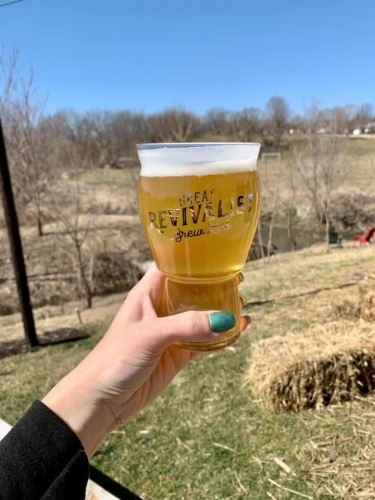
A very pale, refreshing, low-alcohol German wheat beer with a clean lactic sourness and a very high carbonation level. A light bread dough malt flavor supports the sourness. This style is the precursor to the current popular American kettle sour beers.
Local example of this style:
- Stompbox Brewing (Davenport) - Scrying Stone Berliner Weisse
“It's important for our brewery to do traditional German styles because they've been a mainstay in the beer culture for centuries. 80% of the beer drinking community still drinks pilsner style beer. Crafting a traditional style like a Pilsner, Bock, or Berliner Weisse gives a certain satisfaction that you can make a clean, true-to-style beer that encourage beer enthusiasts to enjoy styles that may have fallen out of favor for newer styles.” - Matt Erickson, Co-Owner & Brewer of Stompbox Brewing
Gose
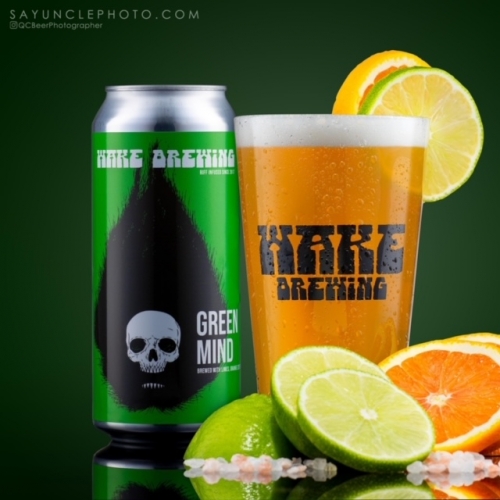
Pronounced “gos-uh”, it is highly-carbonated, tart and fruity wheat ale with a restrained coriander and salt character and low bitterness. Very refreshing, with bright flavors and high attenuation.
Local example of this style:
- Wake Brewing (Rock Island) - Green Mind Gose
About the Author:
Charlie Cole is a professional brewer and multimedia beer promoter. He is a graduate of St. Louis University in Brewing Science and Operations, a previous brewer at three different Quad Cities breweries, a certified beer server through the cicerone program, a provisional certified beer judge, and hosts the What’s Tappening podcast and weekly local beer segment on 97X FM.