




What to See at the Zoo
There are plenty of new faces to greet you at the zoo this year. Niabi Zoo has several new babies to see.
There are two new Fennec fox pups that are keeping mom and dad on their toes. Fennec foxes are highly adapted to the arid, desert climates. They have distinctive, large ears that are thought to help dissipate heat and to pinpoint prey moving in the sand.
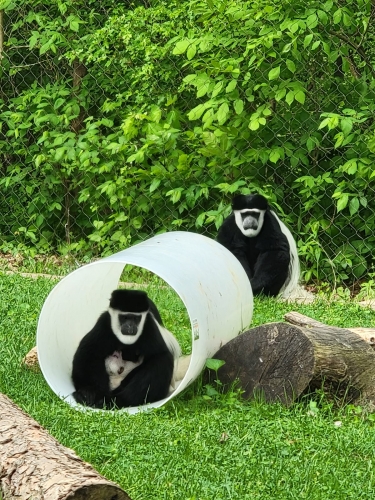
In May, a new Colobus monkey was born at the zoo. Like other black-and-white colobus monkeys, Bitinze (the baby’s name) was born completely white. It is not until about three weeks after birth that patches of dark hair start to appear, and at about three months before their full coloring grows in. (Do you see the little white head peeping out from Mom sitting in the tube?)
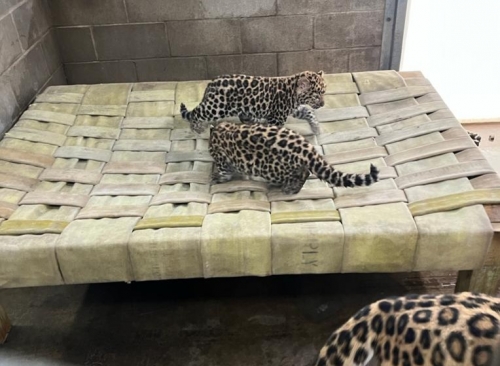
Amur leopards are a critically endangered species. There are thought to be less than 60 left in the wild. In 2019, Niabi Zoo was chosen by the Amur Leopard Species Survival planning group as a partner, and it was decided that the zoo would receive and house one of several Amur leopards that would be brought in from zoos in Europe to breed with Niabi's genetically valuable male Amur leopard “Jilin.”
Antin and Nyura, a boy cub and a girl leopard cub, were born this spring and have been kept under the watchful eyes of their zookeepers. They haven’t been outside yet, but have had fun exploring their indoor spaces and, of course, spending time curled up with momma, and getting bathed, nursed and snoozing. Niabi has been working on baby-proofing their outdoor enclosures and the cubs have been starting to eat solid foods.
Niabi Zoo takes care of many animals that are on the Endangered Species List. It’s about learning how we can all work together to mitigate loss of species.
The zoo has many volunteers who help out at the zoo. There are four pollinator gardens that volunteers help maintain. Niabi Zoo has dedicated 20 acres of property to growing pollinator friendly native plants. Gardens and prairie grasses help beautify the grounds as well as provide habitats for insects, bees, and butterflies. The Rusty Patch Bumble Bees, which were thought to be extinct in our region, were spotted at Niabi in 2018. According to the U.S. Fish and Wildlife Service, the population declined by 87 percent in the last 20 years due to factors like habitat loss, intensive farming, pesticide use, disease and climate change.
Another group of volunteers that is back are the Junior Zookeepers. This group of 50 students receive training on topics such as conservation, interpretation & public speaking, and learn a wide range of information about our animals and their habitats. They help guests and get to help out with some animals and event days. It’s a great launching pad for future careers in zookeeping and animal conservation.
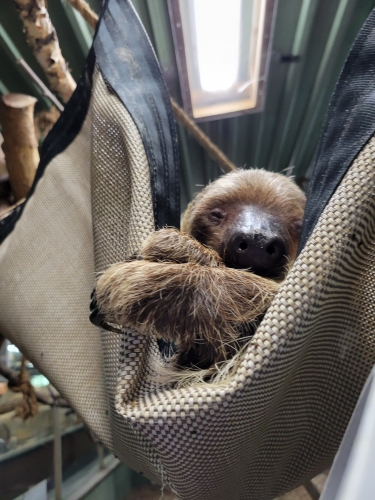
Animal Encounters are back. Have you ever touched a giant tortoise, fed a sloth, or seen a rhino up close? During your encounter, zoo staff will take you to observe a training session the with zookeepers and the animals. Each type of encounter is unique in its own way! You will hear from our zookeepers about what it takes to care for Niabi’s animals 365 days a year.
What's Next?
Niabi Zoo is working on a new African Painted Dog habitat. Since 2018, Niabi has been a partner with Painted Dog Research Trust (PDRT) to support their conservation efforts through use of satellite tracking collars and the development of anti-snare collars. Adding another endangered species with an established conservation partnership with PDRT will not only increase the conservation and education programs at Niabi Zoo, but also increases the Zoo’s status both locally and abroad.
Going to the Zoo
While reservations are not required, purchasing tickets online, in advance of your visit is highly recommended. Save money on your tickets by purchasing online by 9 a.m. the day of your visit, or purchase at the Zoo admission booth day-of for an additional charge. Masks are required inside animal buildings and while waiting in line and participating in animal feedings.
Thanks to Tammy Schmidt, Assistant Zoo Director, for her help with updates at the zoo.